
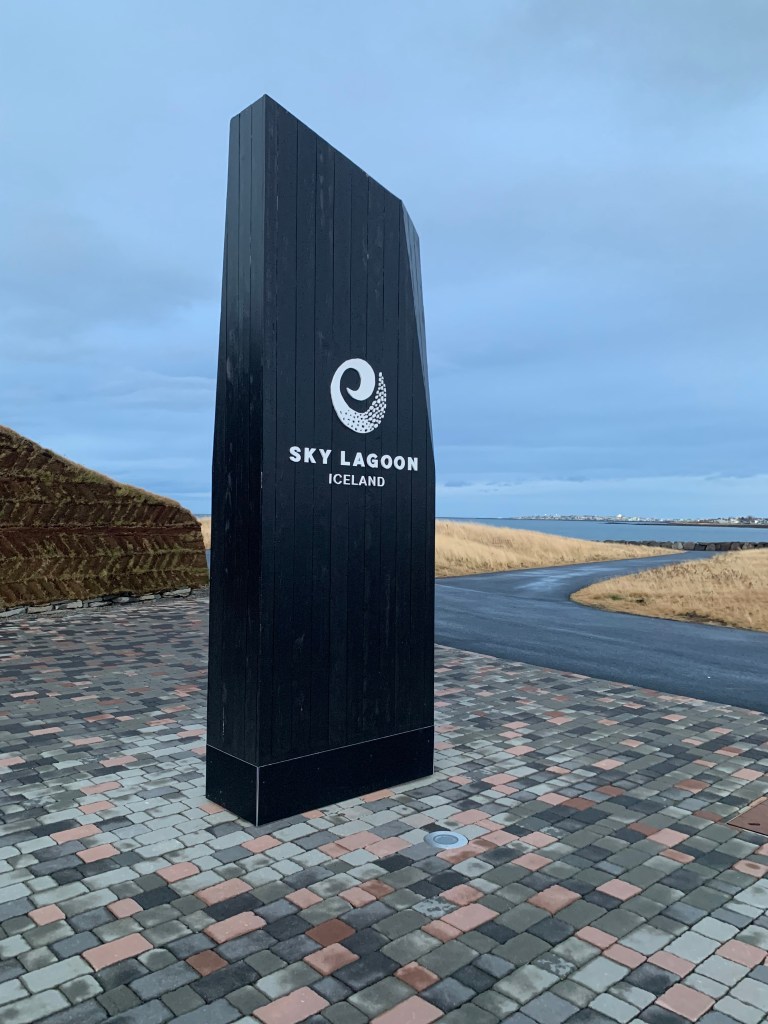
The second day of Icelandic summer found us strolling leisurely around the warm springs at Sky Lagoon, ducking under the waterfall, hanging on the infinity pool wall, dipping into the cold pool, and returning rapidly to the warmth of the lagoon waters. The first day of summer, based on the old Nordic calendar, occurs in late April. This year, that date was April 20. One week later, four inches of snow fell in Reykjavik. Two seasons–winter and summer–are the seasons reflected in the old northern calendar.
We–Susan and I–were in Reykjavik for the biennial Reykjavik International Literary Festival. We had prepared ourselves by reading something by many of the writers who would be discussing a wide variety of issues–issues about society, about writing, about storytelling. Some of what each of us had read amused, moved, or disturbed us in different ways but made us eager to learn what this international group of writers had to say about their craft.
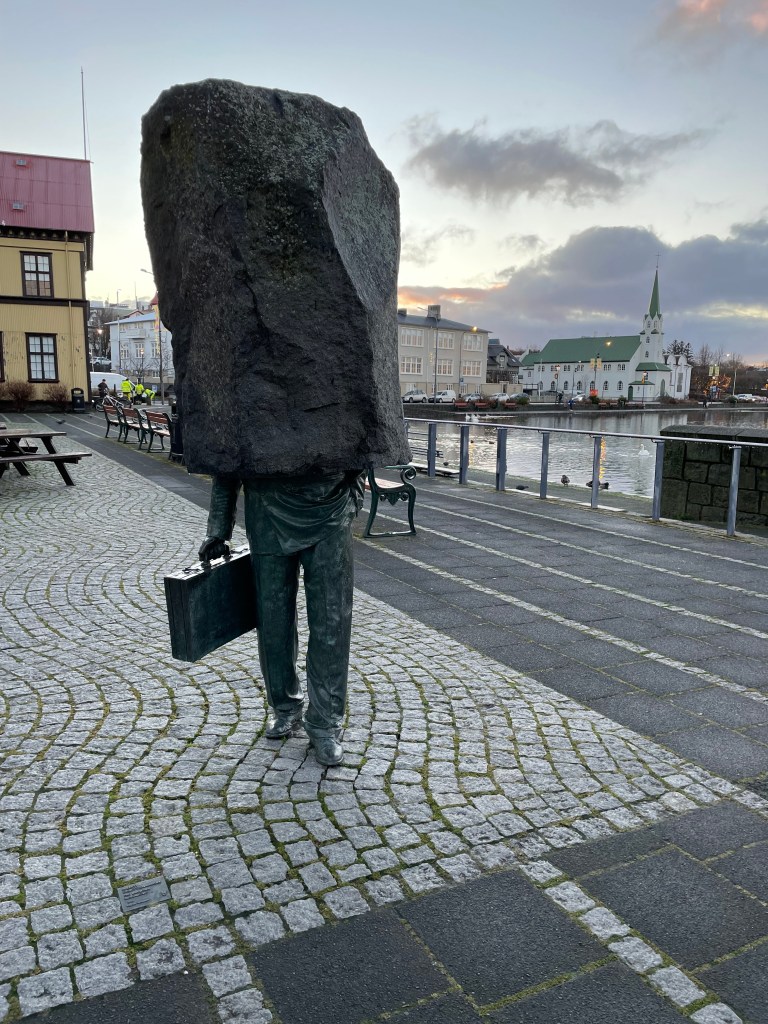
In the spirit of exploring literature, we followed “Literary Reykjavik,”one of the walking tours available on the app, Reykjavik Culture Walks. Our walk took us along a brief literary history of Iceland. The app, and the five tours offered in English, were created by the Reykjavik City Library and Reykjavik City of Literature. A side note here–libraries in Iceland are vital community centers throughout the country; there are 106 libraries in the country with a population of about 370,000 people. “Literary Reykjavik” took us through the old town up through the new town, where we ended near the statue of Ingolfur Anarson, the first permanent settler in Iceland. In the course of our wandering through history and the city, we took a break from the tour to explore the Reykjavik City Museum, which leads the visitor through the city’s history from its settlement period through the city’s growth from farm to nation’s capital.
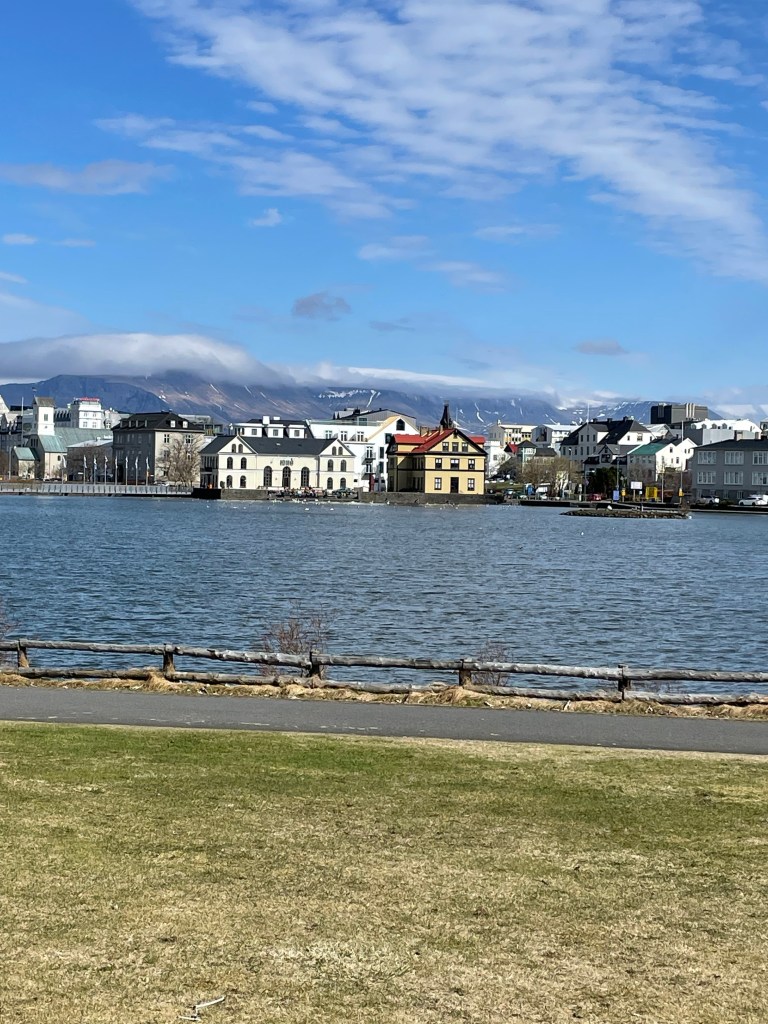
While all of the discussions and panels at the Literary Festival were interesting and engaging, the one I found most interesting was the conversation about Crime–setting/place. This panel featured Alexander McCall Smith, Hannah Kent, Eva Bjorg Aegisdottir. They spoke about the appeal of crime novels and the importance of place in the novel. Setting crime novels–or fiction in general–in small towns or small communities answers a yearning for intimacy, a sense of belonging. In the case of series characters, readers invest emotionally in the characters and the places.
In another conversation later in the evening, Jenny Colgan spoke about the importance of place in storytelling as well, but suggested that the town or community should be a place not found on the map–that is, not a real, named town. Kirrinfief on the shores of Loch Ness, for example, is so vividly drawn, I looked in vain for it on a map of the Scottish Highlands.
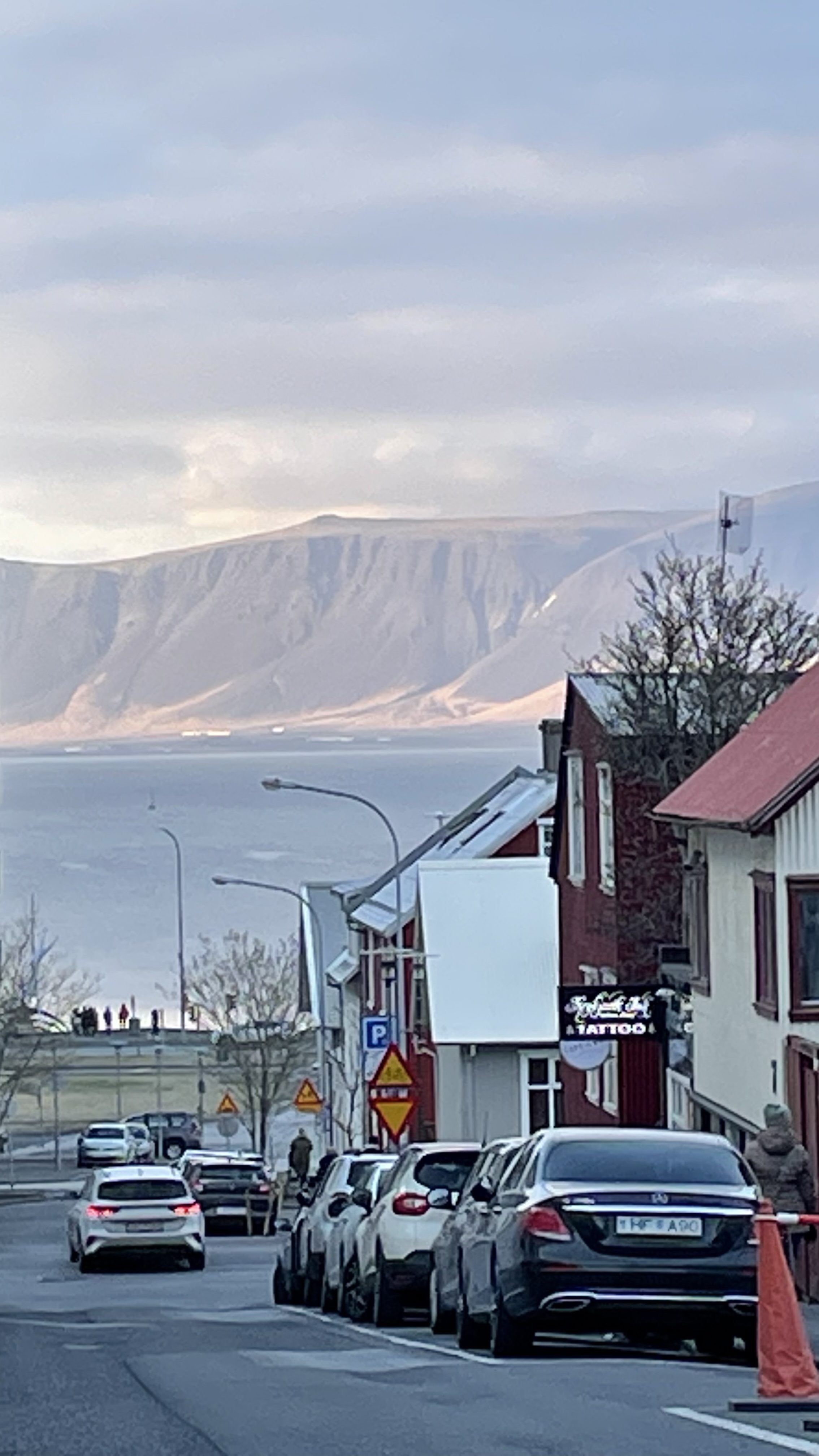
Characters are shaped by the places they occupy–the geography, the weather, the surrounding landscapes–their visual worlds. Building a sense of place–world building in speculative fiction–brings the reader in, and if it’s done well, the reader (me), inhabits that place for a long time after the last page has been turned.
 Booked for Travel