
It’s back to Iceland for Susan and me for another literary festival. I was rather a late-comer to the pleasures of academic conferences and literary festivals. Amid high levels of self-induced anxiety and full teaching schedules, I presented a couple of papers at academic conferences, after which I found it’s much more enjoyable to simply attend those conferences and learn what others are researching and writing about. It was a short step from there to attending more general readership-type literary festivals, which are great excuses for traveling to interesting places. I’m not sure that prior to my first academic conference in 2006 I was even aware of literary and book festivals. But over the last decade, I’ve planned several trips around them. In April, Susan and I will make our way back to Reykjavik, this time for the Reykjavik International Book Festival (Instagram rvklitfest).
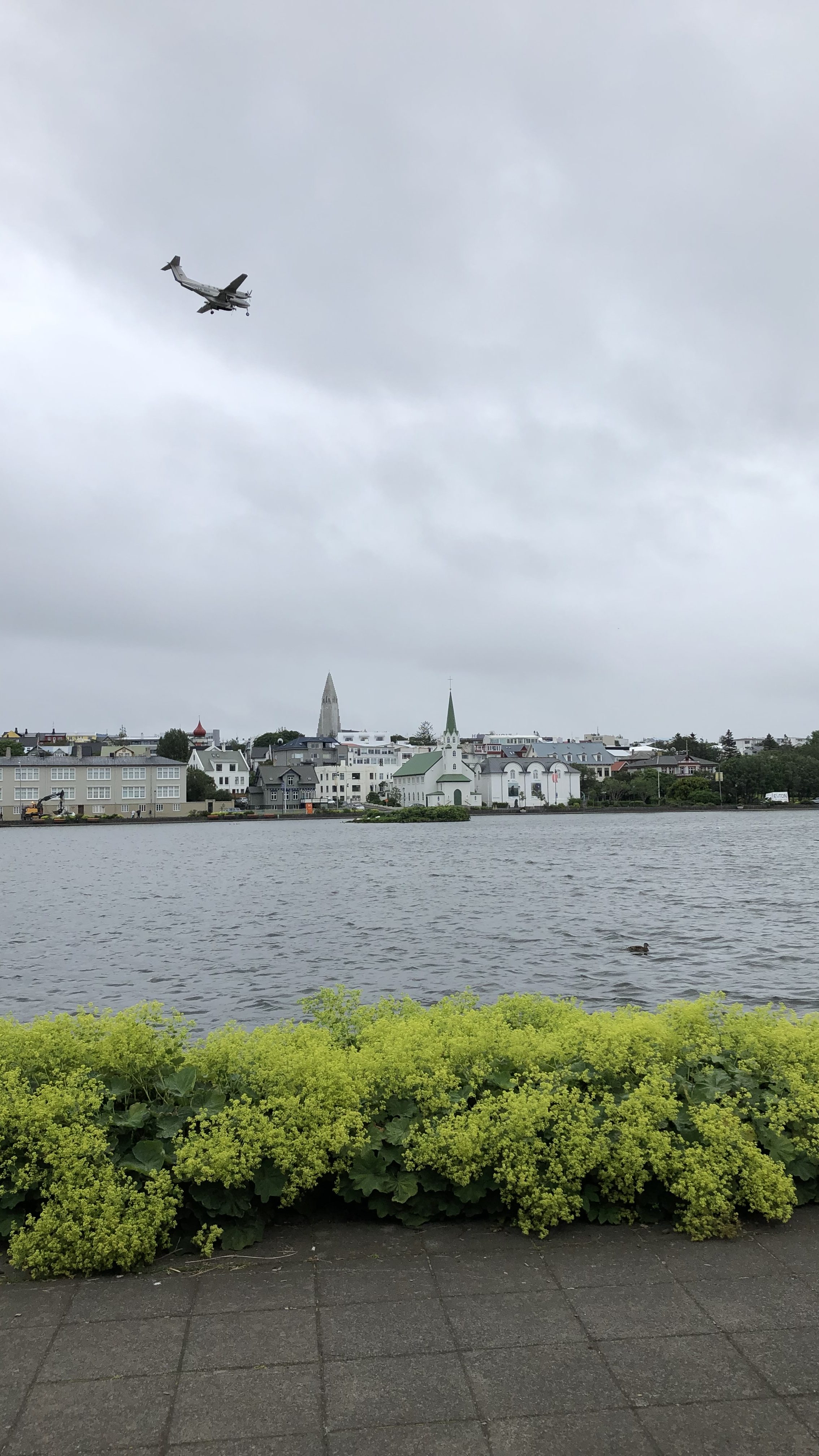
The organizers published the list of authors a couple of weeks ago, and more recently they have been whetting our appetites with daily postings about the authors who will be featured at the festival. The author list has been my reading guide for the last couple of weeks. Not everything is available in English, sadly. (I will be writing more about translating world-language fiction when I’ve done a bit more current research). I’ve read some of the works of some of the authors who will be presenting, and I am listening to some of the works.
Colson Whitehead’s Harlem Shuffle is my most recent listen, narrated brilliantly by Dion Graham. Ray Carney, the protagonist, owns a furniture store in Harlem in the late 1950s and early 1960s. His father was a well-known, now deceased, criminal, and Ray has worked hard to avoid the taint. That said, he does sail fairly close to the licit/illicit border of trade. Ray’s a survivor and a protector, fundamentally a decent guy who sometimes gets caught in schemes through no fault of his own. The period detail in the narrative brings to life the time and place, and it’s further enlivened by the voice of the narrator. The novel is historical fiction with an emphasis on history–and great storytelling.
Hannah Kent’s Burial Rites is another piece of historical fiction set in Iceland in the early 19th century. The central character, Agnes, is housed in a remote northern farm awaiting her execution having been convicted of murder. The novel has a very strong sense of place and atmosphere and captures the claustrophobia necessarily present in a farmhouse in the winter. I used this book as a central text when I taught freshman comp–the research paper. It reminds me strongly of Margaret Atwood’s Alias Grace, another historical fiction about a woman facing execution for a crime she may have committed.
It’s been some time since I read Alexander McCall Smith’s The No.1 Ladies’ Detective Agency series, but I remember how delightful the stories were and how strong a sense of place is provided in the novels. I think it’s time I reacquainted myself with his characters, and, with something like 100 books published, there is an embarrassment of riches from which to choose.
Icelandic mystery-thriller writer Eva Bjorg Aegisdottir appeared at the Iceland Noir last November and will appear at the literary festival. Her novels are set in Akranes, a small city across the bay from Reykjavik. Elma, the protagonist of the series (there are currently 3 books in the “Forbidden Iceland” series) is a police detective in her hometown of Akranes, having left the big city, Reykjavik, following a devastating personal loss. Despite community settings, a shadow of isolation and forlornness undergirds the novels. I look forward to hearing Eva Bjorg, having missed her in November.
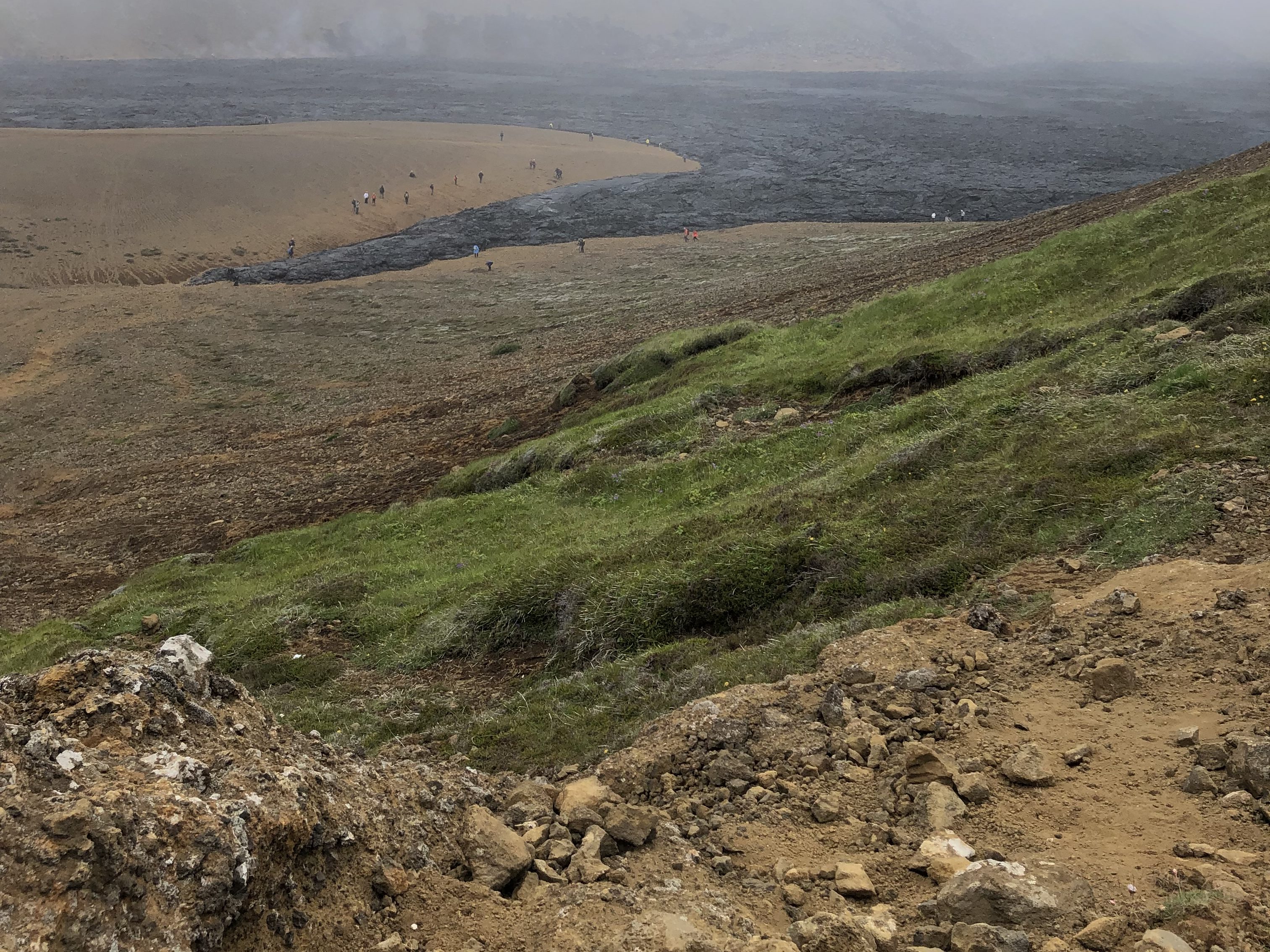
I have my reading list close to hand, my kindle loaded, and a few audiobooks backing up on my phone. In just a few weeks, we’ll be on our way to Reykjavik, a UNESCO City of Literature, a magical place to explore international voices in literature.
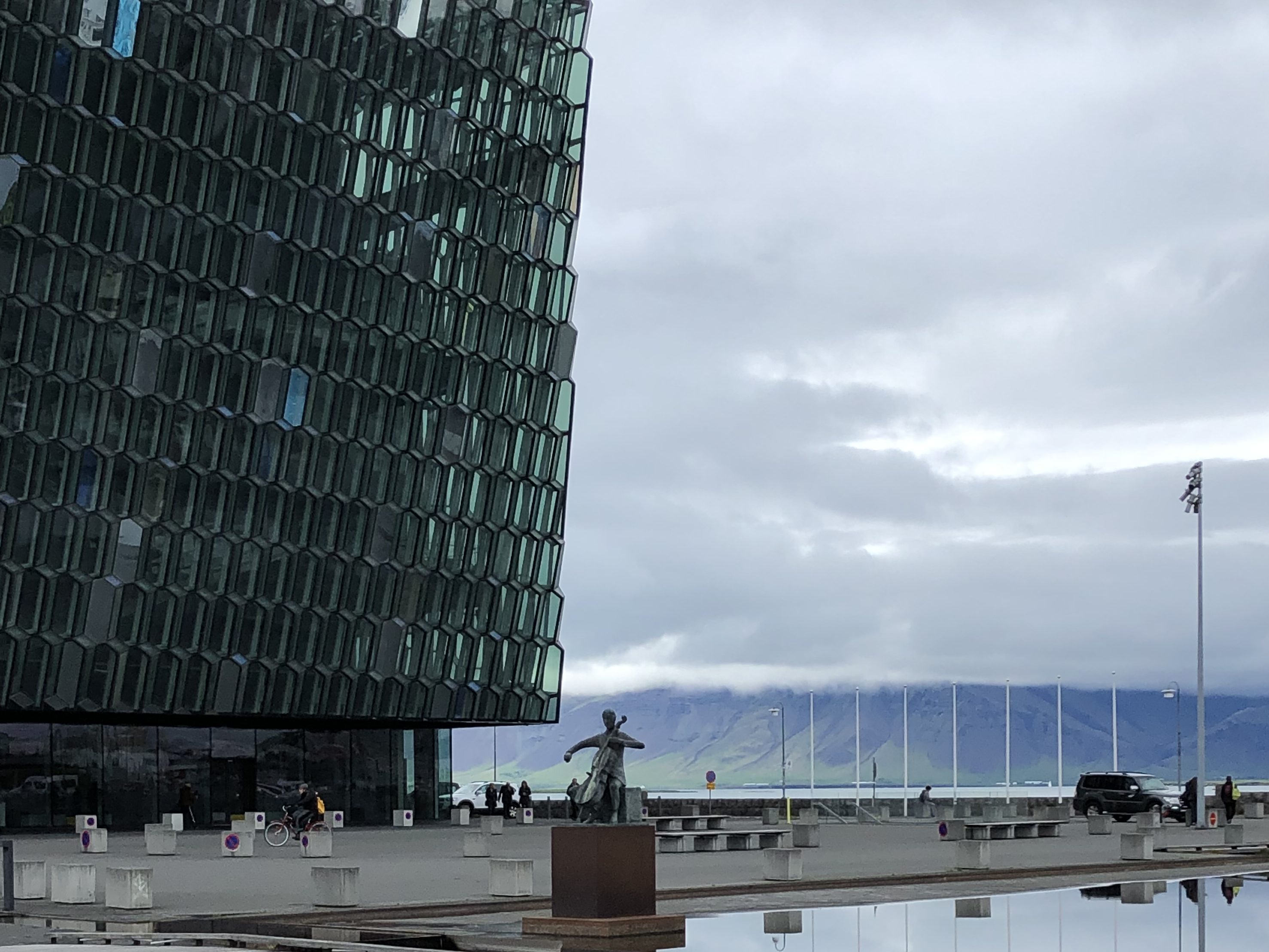
 Booked for Travel