
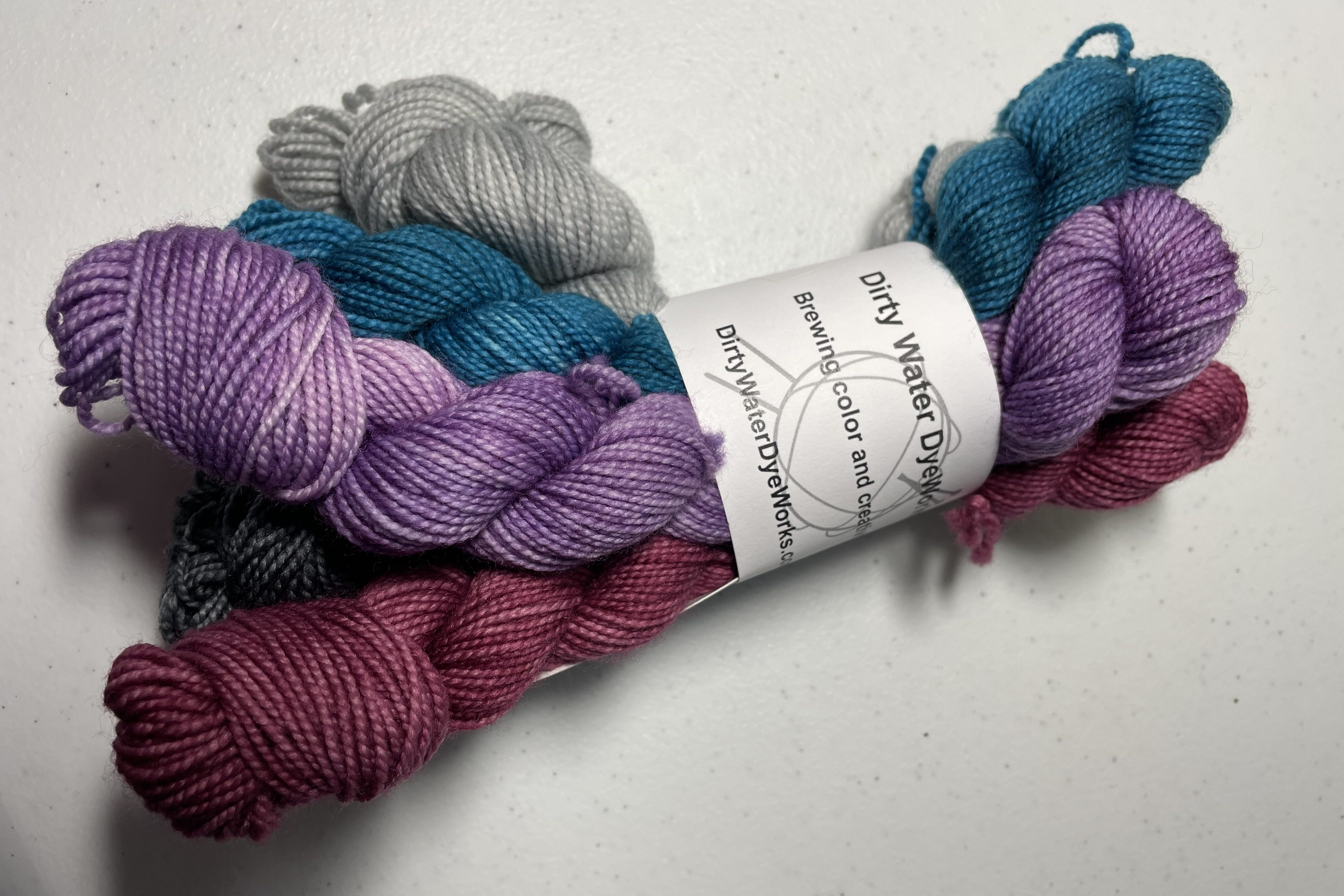
Maybe the best part about retirement is that I’m the one in control of my time–mostly. One of the downsides, though, is deciding what to do with that time. While I’m working on those decisions, I continue to knit. I like having small-ish portable projects that I can work on during road trips. Sometimes it’s a challenge to find the right bag that can accommodate my travel-knitting stuff. More challenging than finding the right bag is finding the right project to travel with. Mostly, of late, I’ve been making hats and cowls that stack up until I find an organization or agency that will accept them for distribution to folks who don’t have warm outer wear.
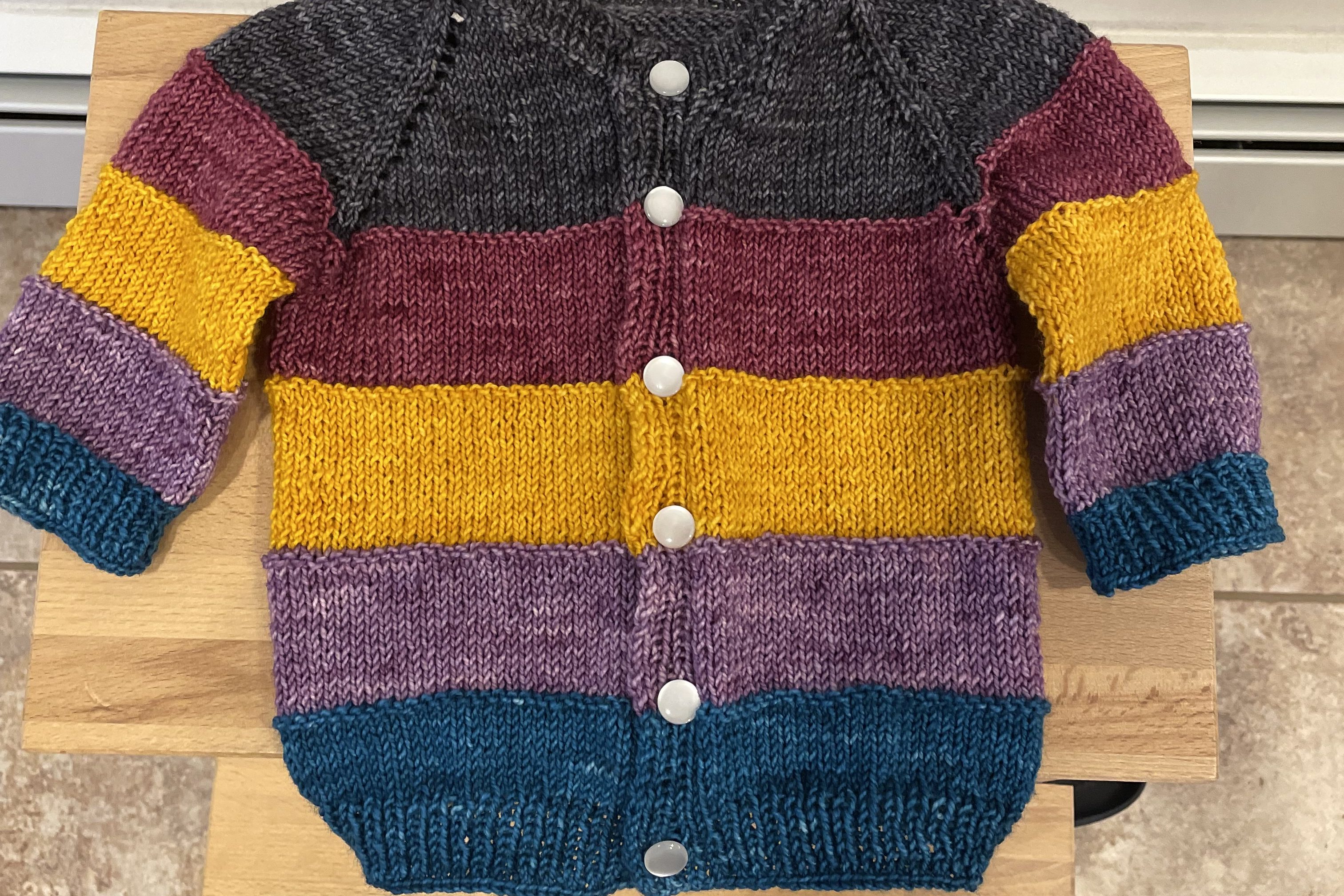
Recently, I learned about the Welcome Blanket project. I had stopped at Must Love Yarn in Shelburne, VT, and I saw that the Heritage Winooski Mill Museum was hosting the Welcome Blanket project, inviting local fiber enthusiasts to make a 40” x 40” blanket that would be on display at the Museum. What makes this project portable is that the blankets are constructed from squares. The basic pattern can be mastered pretty quickly, allowing the knitter to look out the window on a road trip while having a small portable project to hand.
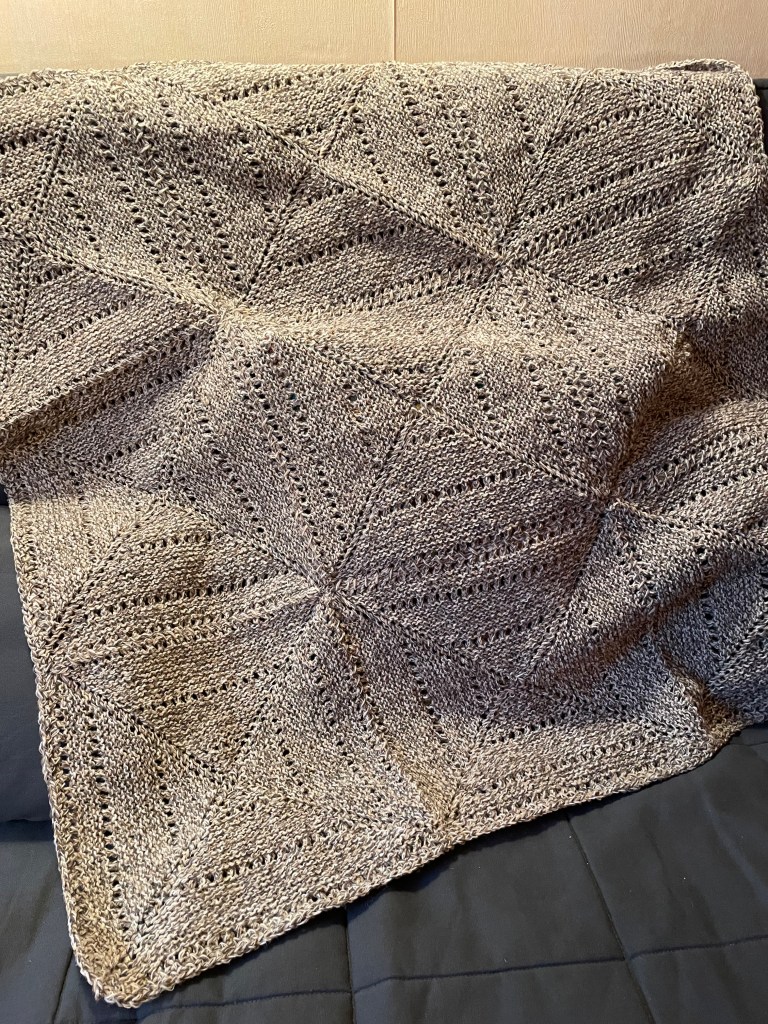
Jayna Zweiman, the originator of the project talked about the project, its history, and its ongoing success at the Museum in early February. To date, 6500 blankets have been collected and distributed to immigrants to the US through a variety of organizations. In Winooski alone, 70 blankets were created and displayed. Linked here is an article about the event.
As I mentioned in an earlier post, I’m a fool for magazines, especially issues I don’t normally see on local newsstands. I’m swept up by the colors and ideas and techniques. So on a recent buying expedition to Wild-Hand in Philadelphia, I picked up a copy of an Australian magazine, Yarnologie. In it I read about a social enterprise, Make Give Live. Customers buy a hat and another hat is donated. The knitters meet in small groups, volunteering their time and talent; materials for the hats are provided. The driving force behind the enterprise is to reduce the burden of isolation and loneliness, while building relationships–among the knitters and between the enterprise and the customers. Groups are kept small–no more than 10 people–to allow for those relationships to develop.
Local yarn shops, needlework guilds, and public libraries host groups that craft goods for the greater good. The internet abounds with opportunities and ideas for fiber artists to connect and to knit, sew, crochet with a purpose. I’m gathering ideas and materials to carry on my travels and pass along the works of my hands. For me, the joy is in the making not in the having.
 Booked for Travel