
Some years ago, a friend gave me The Cook’s Illustrated Baking Book. This massive tome offers a massive amount of information, advice, recommendations, and, of course, recipes for almost any baked good an American baker could desire. Recipes for baked goods as varied as challah, naan, pizza, scones, and sables are detailed along with why one method or ingredient works better than another. I learned, for instance, why using a hard-boiled egg yolk rather than liquid egg yolk works better for sable cookies (less fluid, a sandier crumb in the cookie).
For years I have relied on the Betty Crocker Cookbook for my baking recipes, just as my mother had. Some of those recipes remain my preferred go-to choices. The pages for chocolate chip cookies and for angel food cake are almost unreadable given all of the ingredient spatters, so often do I turn to those particular recipes.
I was fascinated by a brief history of the Betty Crocker kitchens when I read “The Unsung Women of the Betty Crocker Test Kitchens” in Atlas Obscura . Of course I knew that Betty Crocker was no more a real person than Aunt Jemima or Uncle Ben. What I learned from the article was the “Crockettes,” the women who worked for General Mills under the Betty Crocker name, had degrees in home economics, which included chemistry, biology, and mathematics, and they brought the rigor of science to perfect the recipes for the product line as well as the cookbooks. On the whole in my experience, these recipes are mostly fool-proof. And that is why my mother relied on the Betty Crocker Cookbook (1951 edition) and gave me my own copy (1970’s) and why I gave my daughters their own copies (early 2000’s).
While I rely on Betty Crocker for a few of those go-to recipes, I really prefer Cook’s Illustrated because of the extensive explanations for why I should use a particular ingredient or technique rather than some other ingredient or technique. There is, though, no substitute for direct instruction, learning in a live class, which I did recently at King Arthur Baking Co. in Norwich, VT.

Both of my daughters lose their minds over macarons, a cookie I had never eaten let alone baked, so I thought I should learn how to make them. In an autumn afternoon class at King Athur’s Norwich location, along with 15 other women and men, I learned not only how to make macarons but a multitude of other tips that can apply equally well to other baked goods. For example, the temperature of ingredients as they’re added is important—too hot and the other ingredients change configuration (you might end up with scrambled eggs if the simple syrup is added too hot or too quickly). The instructor, Lily, was an excellent teacher, and the other class participants were thoughtful and attentive.
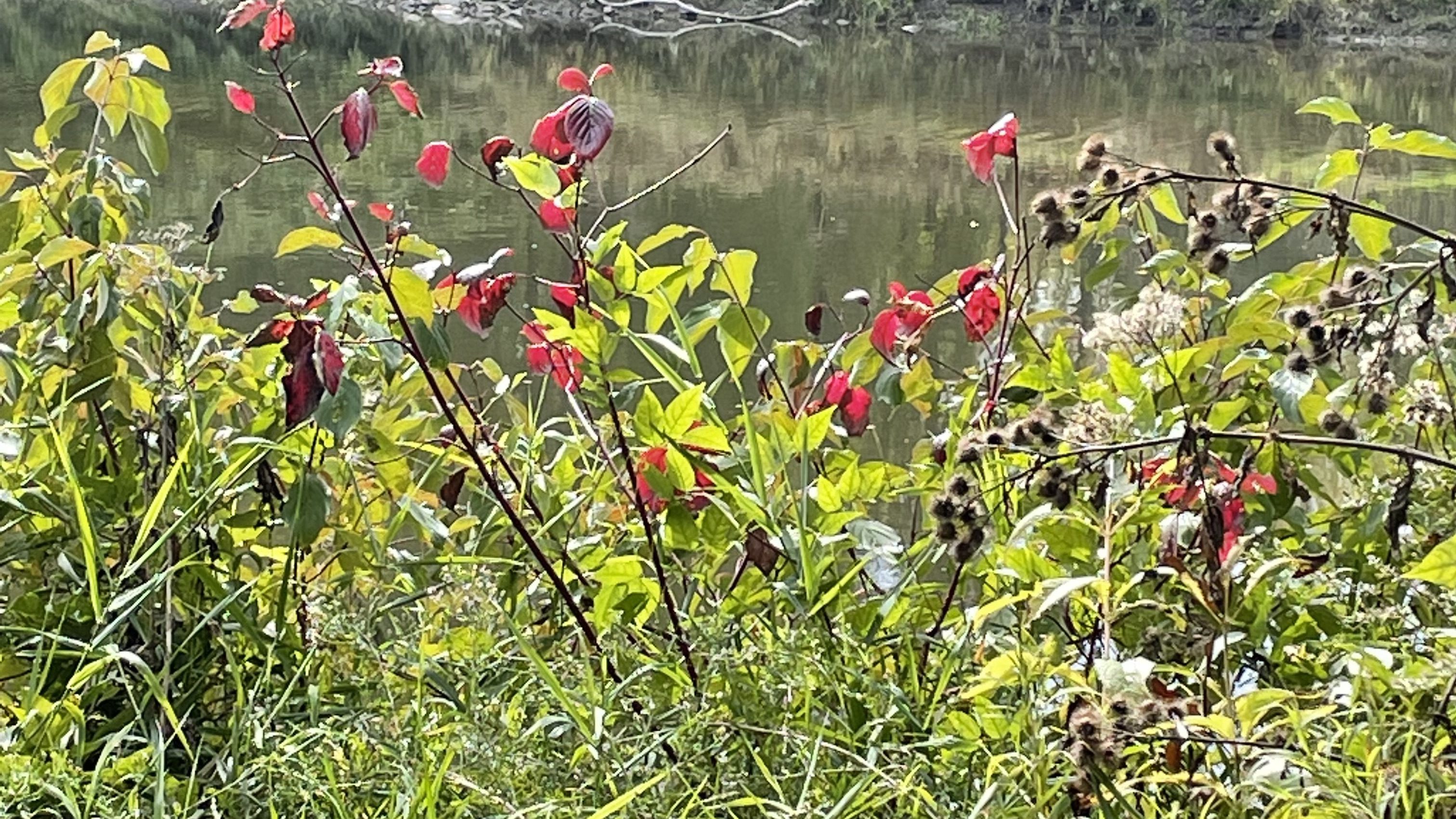
What a grand experience this baking class was for me. The whole experience was all the more magnificent as we traveled through the Green Mountains in mid-October. The sky was a crystalline blue with barely any clouds. Russet, red, gold, yellow, orange covered the mountains. Over every hill, around every bend in the road, a new vista of fall colors burst before us.
Making cookies, eating cookies, witnessing the riot of color that is autumn in the Northeast–this is a grand day out.
 Booked for Travel